
Blog Posts Tagged Food Science

Analyzing Heat and Mass Transfer During Cake Baking with Simulation
As you bake a cake, there are many complex heat and mass transport processes taking place behind the oven door. Take a closer look at the art and science involved in the cake baking process…
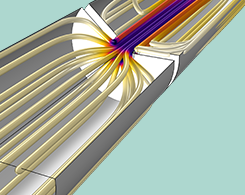
Fat-Washing Cocktails on an Industrial Scale
Bacon-flavored vodka? Pecan-infused bourbon? The fat-washing process extracts the flavors from fat and dissolves it into alcohol, and it can even be scaled up to an industrial level.
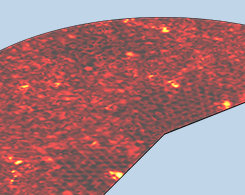
Finding the Best Coal Arrangement for Even Heat in a Grill
Pizza on the grill? It’s actually quite delicious. Here, we use heat transfer modeling to determine how the grill’s coals should be arranged for even heating.

Why Doesn’t the Ice Cream in a Baked Alaska Melt?
The ice cream in a baked Alaska stays frozen, even when placed in a hot oven. How is this possible? We investigate this mysterious dessert with heat transfer simulation.

Studying the Migration of Mineral Oil Hydrocarbons in Food Packaging
Food packaging can contain hazardous mineral oils. To analyze the migration patterns of mineral oil hydrocarbons for various food packaging scenarios, German researchers used COMSOL Multiphysics®.
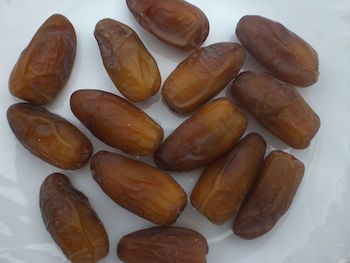
Optimizing the Hydration Operation in the Thermal Processing of Dates
To optimize the hydration process for dates, a team of researchers turned to experimental studies and simulation analyses. Learn more here.
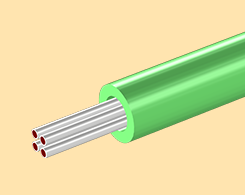
Using Apps to Optimize Induction Heating for Food Processing
Numerical modeling apps can be used to accelerate the optimization of induction heating processes for food processing applications.
Making a Recipe for the Perfect Soft-Boiled Egg with Simulation
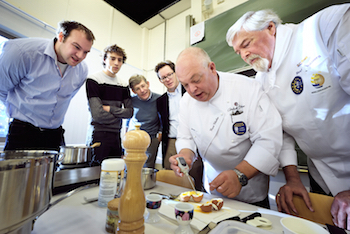
In a physics course at the Technische Universiteit Eindhoven (TU/e), students investigate the science behind cooking the perfect soft-boiled egg using simulation and real-world experimentation.


