
Engineers at Sogin S.p.A. Simulate Nuclear Waste Storage Approaches
G. Barbella, P. Geraldini
Sogin, Italy
Nuclear sites in Italy are being decommissioned, leaving questions about how to safely manage and store radioactive waste. Nuclear waste can be stored temporarily in steel drums encased in concrete, but environmental factors must be carefully controlled to prevent corrosion of the steel. It is difficult to constantly monitor the corrosion process, and the relative humidity in the storage area must be kept below 65 percent. However, normal HVAC systems are an impractical solution in this case because of the operating costs, the need for regular maintenance, and the reduction they would cause to the available storage space. Engineers at Sogin S.p.A. turned to simulation to shed light on these requirements and ways to meet them effectively. Industrial isothermal dehumidifiers were chosen as a lower-cost, smaller, and more mobile alternative to HVAC systems. Using COMSOL Multiphysics, the team modeled air flow in the storage area as well as heat and moisture transfer in the room's atmosphere. Based on the results, they were able to determine the optimum layout for the dehumidifying units, reducing the number of units needed as well as the risk of corrosion.
Suggested Stories
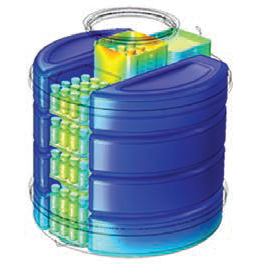
Innovative Thermal Insulation Techniques Bring Vaccines to the Developing World
When medical professionals transport vaccines, their cargo needs to be kept at a cool temperature. This limits their ...
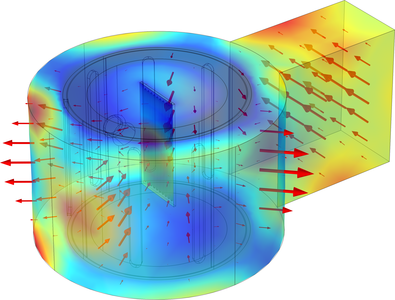
Developing a New Microreactor for Organic Synthesis Using Microwave Heating
The chemical reactions used to generate solvents and certain pharmaceuticals rely on organic synthesis, a process of ...
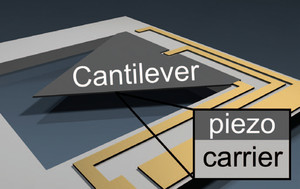
Modeling Optimizes a Piezoelectric Energy Harvester Used in Car Tires
Siemens is a technology company working with electronics and electrical engineering in industry, energy, and ...
Bringing Glucose Monitoring to New Levels Through Integrated Sensor Design
The test strips in glucose monitors, widely used by people with diabetes to maintain good health, are sensitive to ...


