
Harvey Buck, Roche Diagnostics Operations, Inc., Indianapolis, IN, USA
The test strips in glucose monitors, widely used by people with diabetes to maintain good health, are sensitive to chemical interferences and environmental conditions. The manufacturing process and electrode configuration of these strips also affects response accuracy. Researchers at Roche Diagnostics Operations, Inc. used multiphysics simulation to analyze the chemical reactions and voltage response in their glucometers.
Using COMSOL Multiphysics, Harvey Buck, principal scientist at Roche, investigated different configurations and materials used in the test strips. He analyzed the electrical response to an applied voltage during the chemical reaction catalyzed in a sample. Through numerical simulation, he predicted the sensitivity of electrical impedance measurements to mechanical properties of the sensor. He also optimized the electrode configuration, maximized sensitivity to cell fraction in a sample, and minimized sensitivity to manufacturing tolerances. These simulation results have given the Roche team a better understanding of their integrated sensor design for glucose monitoring.
Suggested Stories
Complex Fenestration System for Energy Efficiency
Fenestration systems can greatly impact the energy efficiency of buildings. Eurac Research is using simulation to ...
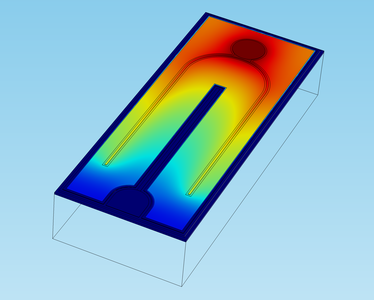
Multiphysics Software, a Versatile, Cost-Effective R&D Tool at Sharp
There are several kinds of technology that designers at Sharp Laboratories of Europe work to create. From LED ...
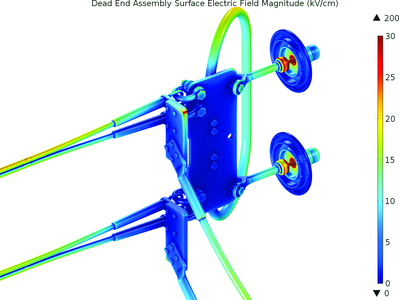
Enhancing Transmission Line Performance: Using Simulation to Optimize Design
Designing power transmission lines requires accounting for many factors: mechanical stress due to environmental ...
Seeking Out Electrical Arcing Regions in Satellite Systems
Space is the epitome of an unpredictable and harsh environment. These conditions are near impossible to replicate via ...


