
Daniel Höche, HZG, Germany; Nils Bösch, Daimler AG, Germany
Galvanic corrosion, which occurs when the surfaces of different adjoining metals begin to degrade, costs the automotive industry billions of dollars annually. The reactions of these different metal combinations is influenced by material properties, surface roughness, and joining techniques in the components.
Researchers at Helmholtz-Zeentrum Geesthacht (HZG) and Daimler AG created COMSOL Multiphysics applications to study corrosion in automotive parts found in car paneling. Simulation helped researchers investigate electrochemical reactions on the surface of the rivet, analyze decay in sheet metal, and understand the effects of geometry on the corrosion process. They also modeled delamination of the steel sheet and assessed the growth of a crevice between the metal layers and a cathodic coating as the zinc plating was consumed. With the understanding they gained of the electrochemical behavior, they were able to provide engineers at HZG and Daimler AG with key information to improve corrosion protection in automotive parts.
Suggested Stories
The Science of Water Screening
Johnson Screens® are the manufacturers of steel screens that impede debris from lakes and rivers from entering pipes ...
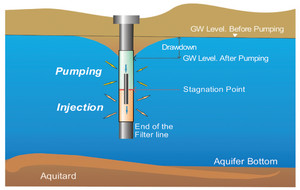
Pumping and Injecting from a Single Borehole
Professor Dr. Martin Sauter leads a group at the University of Göttingen in research on hydrogeology. Cooperating with ...
Dielectric Stress Simulation Advances Design of ABB Smart Grid-Ready Tap Changers
Consumers of power rely on fairly stable voltages. Transformers contain tap changers which vary the ratio of secondary ...
Gaining Insight into Piezoelectric Materials for Acoustic Streaming
Many sensors, such as flow sensors and those used in medical diagnostics, rely on microfluidic devices. However, ...


