
Lahey Clinic Models Scar Effects in Electrical Spinal Cord Stimulation
Kris Carlson, Dr. Jay Shils & Dr. Jeffrey Arle
Lahey Clinic
Burlington, MA
The Neuromodulation Group at Lahey Clinic conducted a study based upon spinal cord stimulation (SCS). SCS involves implanting a series of electrodes that apply electric potential to the spine, interfering with pain signaling circuitry. It’s used to alleviate chronic back and leg pain. Although the treatment remains effective for years, the electrodes must be reprogrammed through trial and error because scarring alters the electrical characteristics of the system.
The team at Lahey Clinic used simulation to solve the problem. Having already created an incredibly detailed, one-of-a-kind model in SolidWorks®, they turned to COMSOL Multiphysics®. The model was linked to COMSOL Multiphysics using LiveLinkTM for SolidWorks®, which allowed the team to adjust their model to different material and physics parameters.
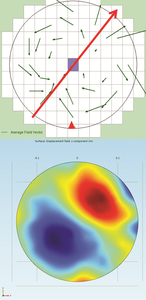
By adding these changes to the model, they saw the distortion of the electrical fields caused by the scar formation. This analysis allowed doctors to model the electrical field of the implanted electrodes around a patient’s scar tissue and adjust the electrodes to immediately alleviate pain.
SolidWorks is a registered trademark of Dassault Systèmes SolidWorks Corporation or its parent, affiliates, or subsidiaries.
Suggested Stories
Modeling of Complex Physics Speeds Chip Development
With technological advancements accelerating so rapidly, more powerful computer chips are needed to meet the high ...
Better Ways to Heat and Cool Buildings
Adsorptive climate control systems can reduce the power required to heat and cool buildings by running primarily on ...

Silent Air Cooling: A New Approach to Thermal Management
Removing heat from electronic devices is a necessity that up until now was achieved by rotary fans. Tessera, a company ...
Simulation Apps Bring STEM to Life
While covering the required fundamental material in undergraduate academic programs is the top priority, students ...


